
Pick by what you need to measure: where the photon landed, when it arrived, or how many of them there were.
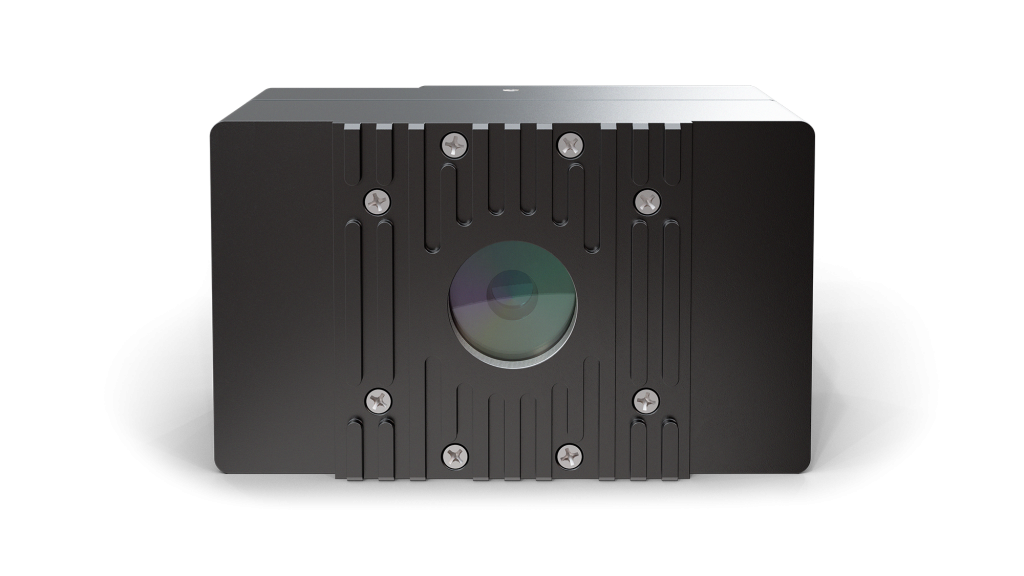
Scanning-free TCSPC with megapixel positional resolution combined with 40 ps temporal accuracy.
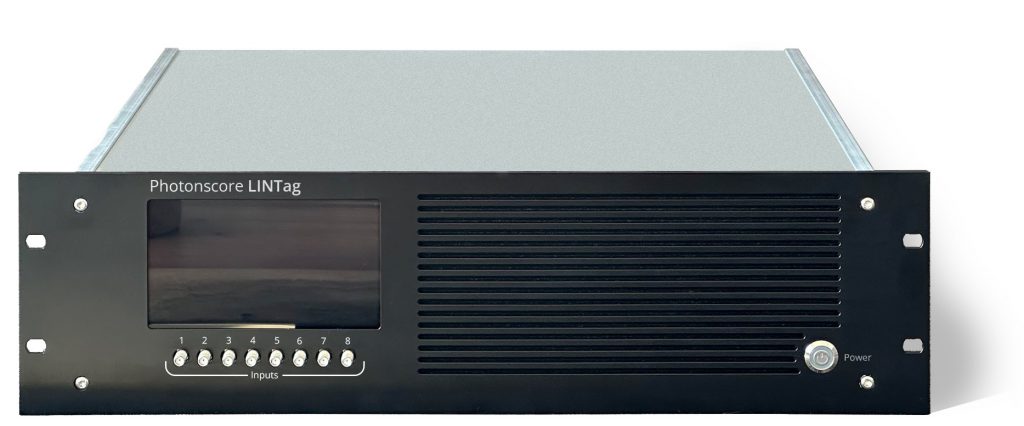
A time-tagger built for experiments where every event counts and nothing may be dropped.
Photon counting at the rates modern sources demand, in a package that drops into an existing setup.

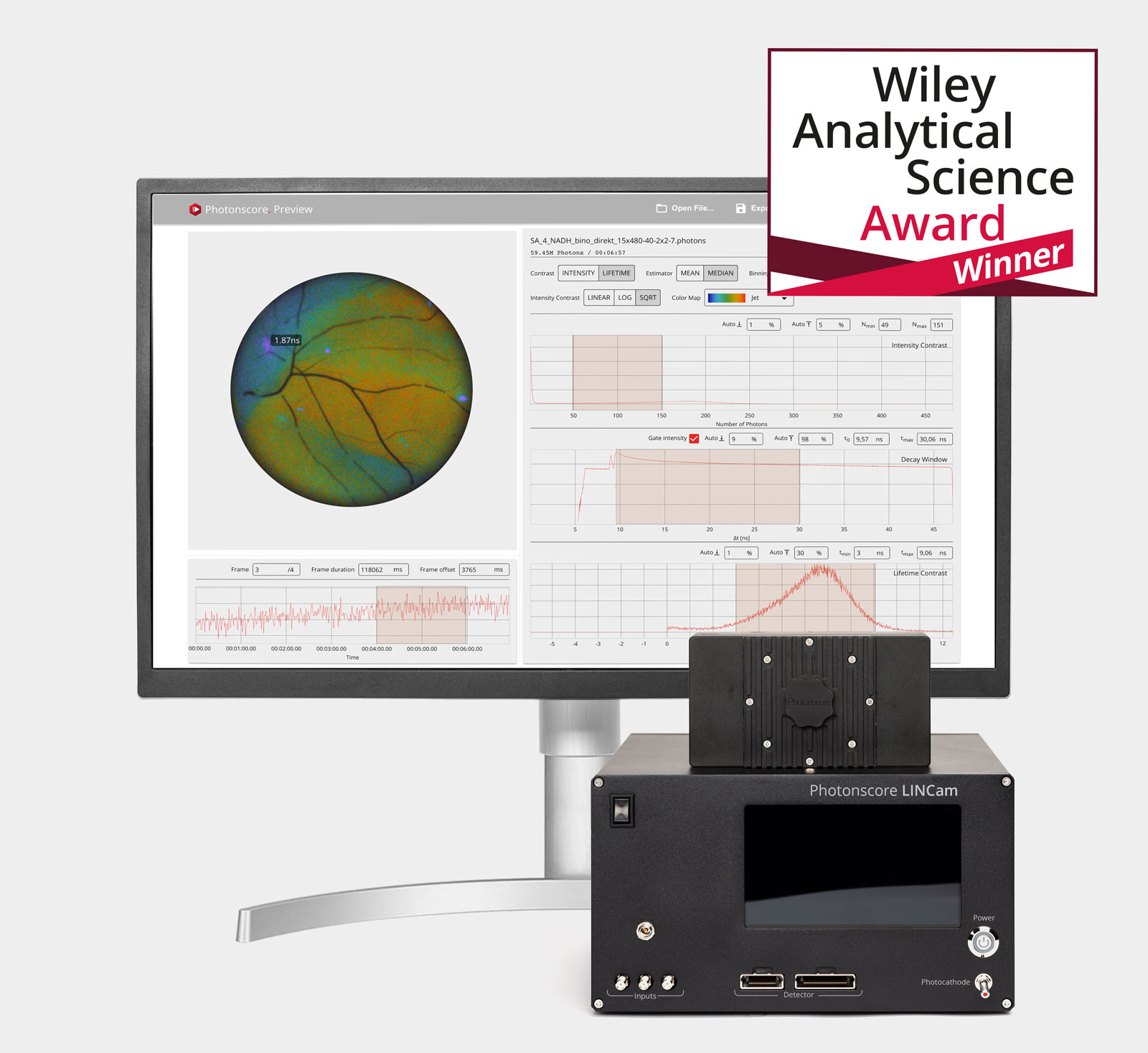
Preview ships with every LINCam. Gate the decay, pick an estimator, read τ at any pixel, and hand calibrated data straight to Fiji or MATLAB. No scripting required to see your result.

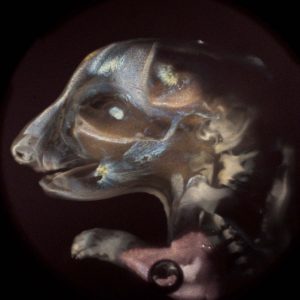
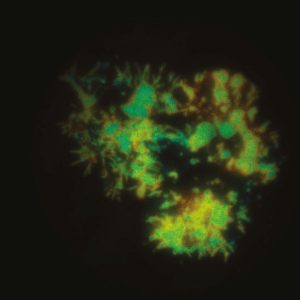
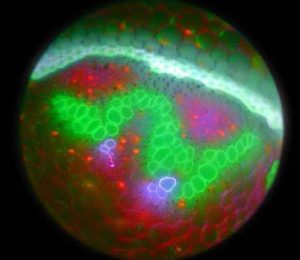
Large scale FLIM by optical sectioning of rat embryo. When the size matters.
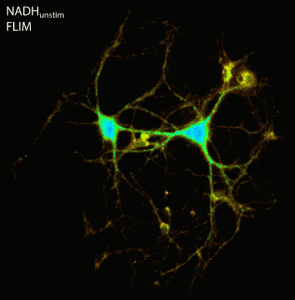
By using the metabolite NADH as an intrinsic marker for glycolysis, the dynamics of individual cells can be monitored and their interactions studied.
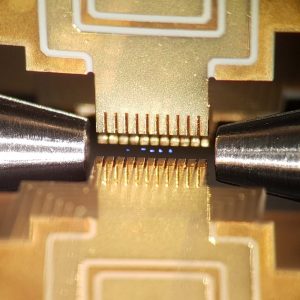
Stored ions are typical examples for single photon sources that show an antibunched emission statistics. However if two stored ions are brought in an entangled state by simply measuring, interesting phenomena occur.
Confocal superresolution FLIM microscopy with a spinning disk unit.
Metal induced energy transfer (MIET) is a nanoscopy technique to measure distances from fluorescent molecules to a metal film. Here we present MIET acquisition using wide-field and TIRF fluorescence lifetime imaging microscopy (FLIM) equipped with LINCam.
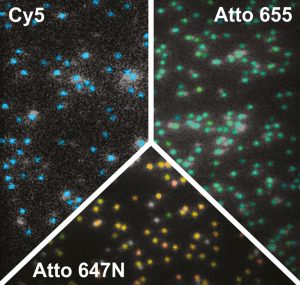
Overcoming the challenge of multilabel imaging with lifetime chromophore separation.
Leading universities, research institutes and companies trust in our expertise
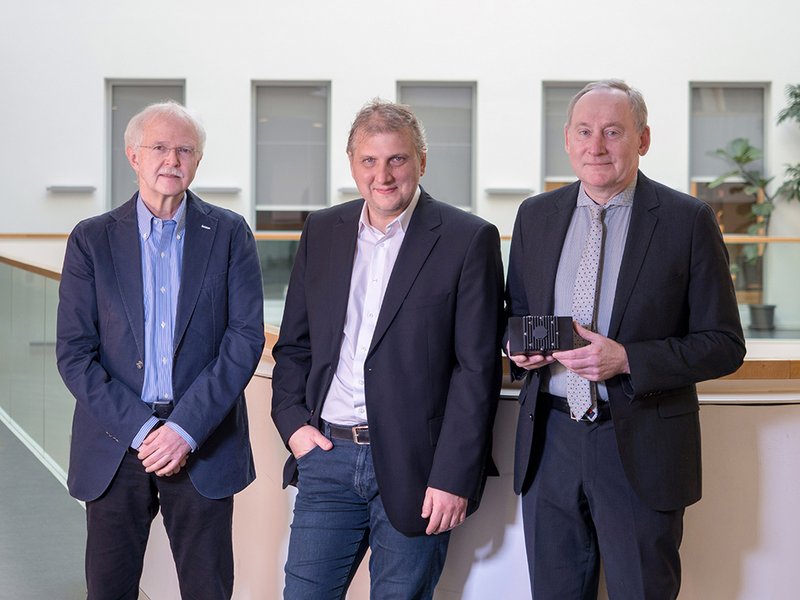
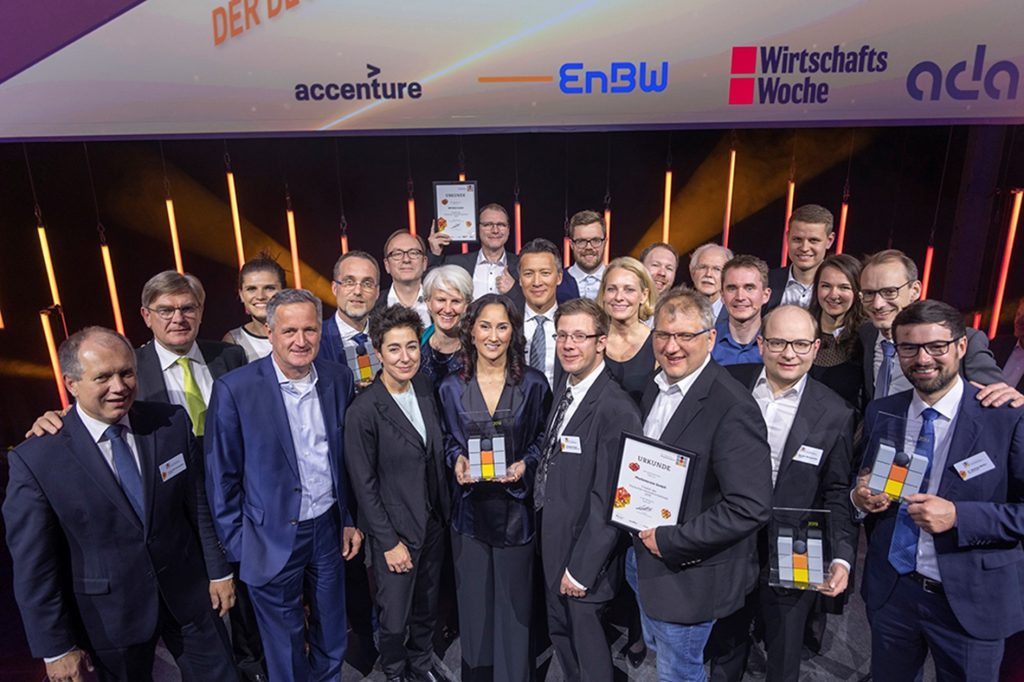
In more than 10 years of work, the LINCam was developed at the imaging core facility of the Leibniz Institute for Neurobiology in Magdeburg. In 2017, the original developers Dr.-Ing. Werner Zuschratter, Dr.-Ing. Yury Prokazov and Evgeny Turbin founded the spin-off company Photonscore to further develop this novel quantum light sensor and make it commercially available to labs, institutes and companies.

Tell us about your setup and what you need to measure.